
























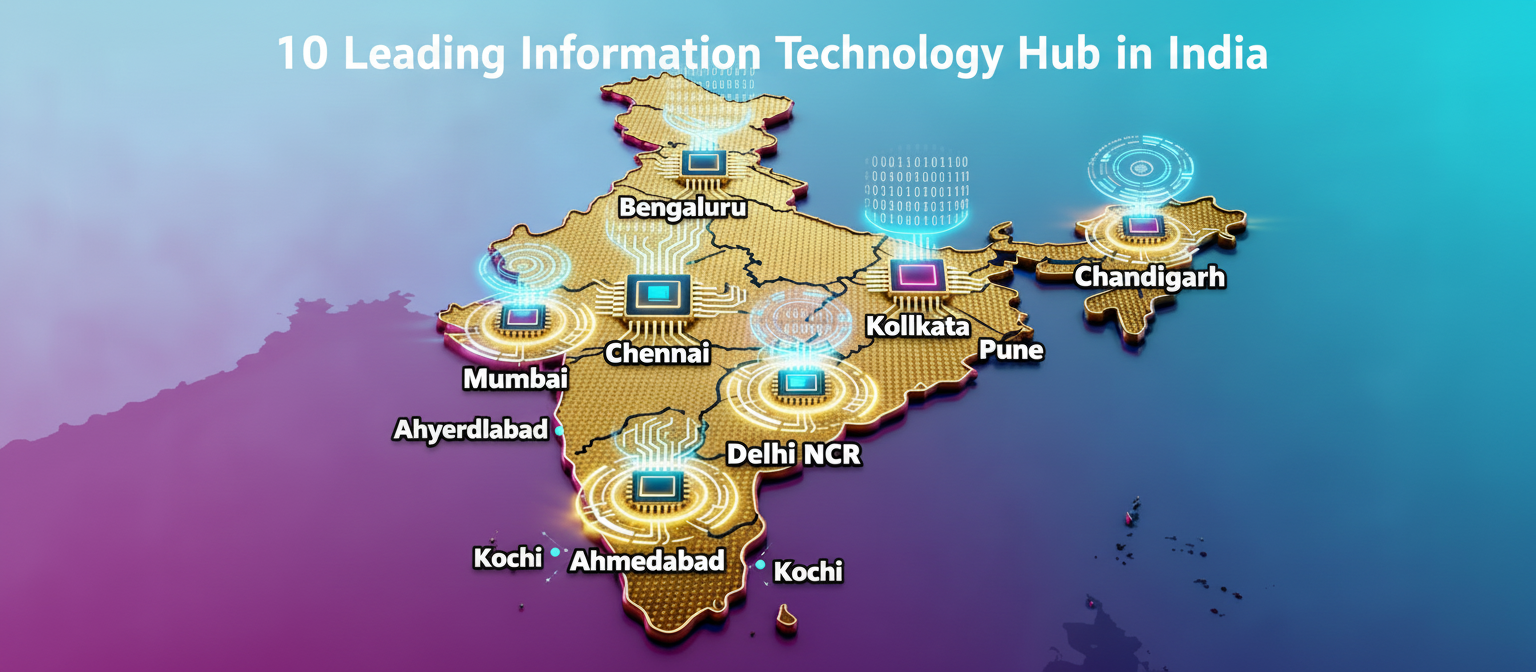
Over the past two decades, India has emerged as a global powerhouse in information technology, software services, outsourcing, and digital innovation. But the strength of this success lies not in a single city — it lies in a network of cities that together form the backbone of India’s tech economy. These “IT hubs” are where talent, infrastructure, global companies, investment, and ambition converge.
As the Indian IT landscape evolves — with rising demand for AI, data science, remote work, global capability centres (GCCs), and cost-effective operations — the roster of “major IT hubs” has expanded beyond traditional centres. In 2025, some historic hubs remain dominant, while several new or previously secondary cities are stepping up. In this article, we walk you through 10 of the most significant IT hubs in India (as of 2025) — from global-scale giants to emerging tier-2 contenders. For each, we examine what makes them important today: workforce, exports, diversity of companies, and growth trends.
10 of the most significant Information Technology hubs in India (as of 2025)
1. Bengaluru — India’s Flagbearer in Tech
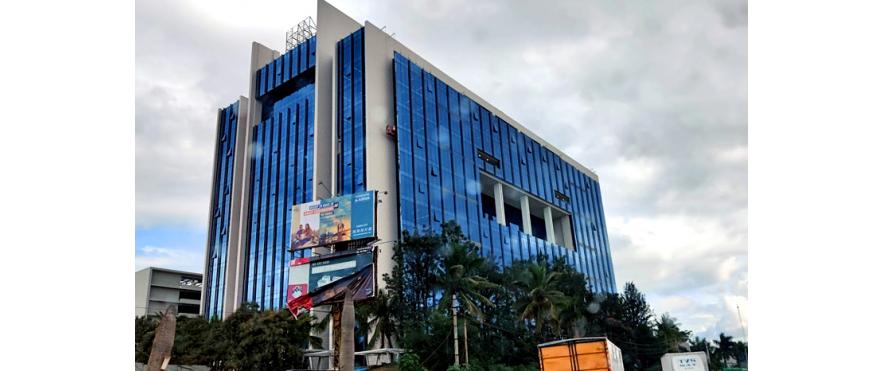
Bengaluru continues to lead as India’s premier IT hub. According to a 2025 report by CBRE, the city’s technology workforce has crossed the 1-million mark, making it the largest tech talent market in the Asia-Pacific region. Additionally, the city has secured the #6 spot globally in a 2025 global-tech market ranking, reinforcing its position among the world’s elite tech centers.
What fuels this dominance? A mix of mature infrastructure (tech parks, SEZs, business districts), deep talent pool, global companies and start-ups, and a culture of innovation in areas like AI, software, product-engineering, R&D, and more. Bengaluru remains the first choice for many global capability centres, product-engineering firms, and tech start-ups looking for scale and sophistication.
2. Hyderabad — Rising Fast, Diversifying Smartly

Once overshadowed by Bengaluru, Hyderabad now stands firmly as India’s second major tech powerhouse. According to the 2025 “Global Tech Markets: Top Talent Locations” report by Colliers, Hyderabad ranks high among Asia-Pacific’s top tech-talent hubs, alongside Bengaluru, Delhi-NCR, Mumbai, Pune, and Chennai. Moreover, the city recorded software exports worth ₹1,42,591 crore in FY 2024-25 from its registered tech units alone — a staggering display of export capability.
Hyderabad’s rise is driven by its expanding ecosystem: global firms, GCCs, start-ups, and emerging sectors like AI, fintech, cloud computing, R&D. Lower operational costs compared to Bengaluru, supportive policies, and good infrastructure (SEZs, business districts like HITEC City, Financial District, Gachibowli) make it an attractive alternative for companies and talent alike.
3. Pune — The Fast-Growing Alternative to Big Metros
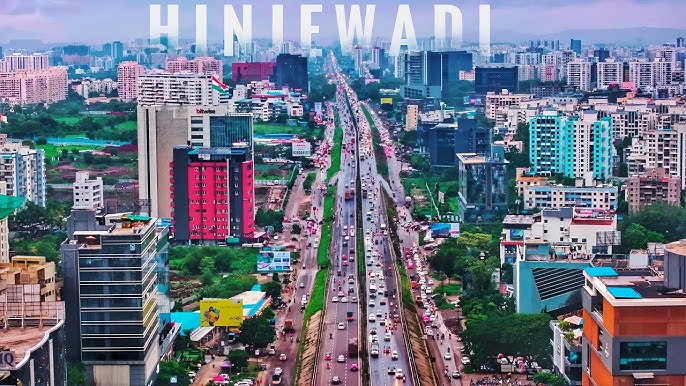
Until recently, Pune was more known for manufacturing or automobile industries — but its transformation into a major IT hub has accelerated. According to a 2025 city-vitality ranking, Pune ranks high in growth and size among Indian metros, reflecting its rising importance as a technology and business center. Industry reports show that Pune is among India’s top destinations for tech-talent acquisition, and features prominently in national and Asia-Pacific tech rankings.
What makes Pune appealing? High quality of life (relatively lower cost than big metros), an educated workforce thanks to many engineering and management institutes, rising presence of IT firms, start-ups, and growing interest from global companies. For many firms seeking a balance — cost, talent, infrastructure — Pune is emerging as a preferred destination.
4. Delhi-NCR (Including Noida & Gurugram) — Northern India’s Tech Corridor

The National Capital Region (NCR) — especially areas like Noida and Gurugram (Gurgaon) — forms a major IT and corporate services hub in northern India. According to the Colliers 2025 report, Delhi-NCR ranks among Asia-Pacific’s top 10 tech-talent hubs. Companies often choose this region for its proximity to government institutions, clients, decision-makers, and business infrastructure — making it ideal for enterprise services, BPOs, consulting, and back-office operations.
Noida, as a city, hosts many software and electronics companies; it has also evolved into a key manufacturing and assembly hub for mobiles and electronics — showing a blend of IT and manufacturing strength. This region’s strength lies in its corporate density, talent availability, and strategic advantage of being near the national capital.
5. Chennai — From Manufacturing Base to Tech & Innovation Hub

Historically known for manufacturing and automobile industries, Chennai has steadily evolved into a significant IT and business-services center. In the 2025 Asia-Pacific ranking of tech-talent cities, Chennai features among the top Indian cities. Recently global firms and investment continue to flow in: for example, a major global retailer signed a lease for a large office space in Chennai in 2025 — a sign that global companies see long-term value in the city as a tech and operations hub.
The city’s advantages include a blend of industrial heritage, growing IT infrastructure, affordable cost of living (relative to metros), and proximity to the southern talent pool — making it attractive for outsourcing, product development, R&D, and enterprise services.
6. Mumbai — Finance Meets Technology

Mumbai, India’s financial capital, offers a unique advantage — a blend of finance, enterprise clients, fintech, and technology services. According to the 2025 Colliers report, Mumbai ranks among Asia-Pacific’s top tech-talent centres.
Moreover, Mumbai has recently emerged as a global data-center hub, ranked 6th worldwide for under-construction capacity in 2025 — a sign that the city’s tech infrastructure is rapidly strengthening. For companies working at the intersection of finance, banking, enterprise software, fintech, data centers, and related fields, Mumbai offers strategic advantages — access to clients, infrastructure, regulatory proximity, and talent.
7. Ahmedabad (and Gujarat region) — Western India’s Growing Tech Base

Western India — particularly the state of Gujarat, with cities like Ahmedabad — is gradually becoming more relevant in India’s IT and business-services story. According to a 2025 city vitality index, Ahmedabad ranks high among Indian metros in terms of growth and potential.
While its IT ecosystem is not yet at par with Bengaluru or Hyderabad, Ahmedabad presents a cost-effective and business-friendly alternative. Companies — especially startups, SMEs or cost-conscious firms — are increasingly looking at this region for expansion. As India’s IT industry decentralizes, cities like Ahmedabad are likely to play greater roles, especially for firms that prioritize lower overheads and a growing but less congested environment.
8. Indore — The Rising Tier-2 Tech & Export Hub

One of the clearest signs of India’s IT decentralization is the rise of certain tier-2 cities — and Indore is leading that wave. According to recent 2025 data, exports from Indore’s SEZs grew nearly 11% compared to the previous year — evidence of a maturing IT/ITES ecosystem.
Indore now hosts hundreds of IT firms and export-oriented units, making it a key hub in central India. For companies seeking lower costs, fresh talent, and less competition than metros, Indore offers a compelling alternative. Its rise signals an important shift: India’s future tech growth won’t just be in major metros — tier-2 cities will play a big role too.
9. Jaipur, Kolkata, Kochi and Other Emerging or Specialized Hubs
While not always the first names that come up when we talk about “India’s tech capitals,” several smaller or emerging cities are showing promise — especially for startups, regional companies, and firms looking for cost-effective bases.
- Jaipur — Emerging fintech and edtech sectors, growing startup ecosystem. According to a 2025 global-startup-ecosystem ranking, Jaipur appears among the top 10 fastest-growing Indian startup cities.
- Kolkata — With growing IT services and outsourcing potential, especially as companies look beyond congested metros.
- Kochi (Kerala) — Attracting attention thanks to SEZs, IT parks, relatively affordable living, and growing interest in remote-first firms.
- Other emerging hubs — According to recent analyses of tier-2 / tier-3 city growth, places like Vadodara, Bhopal, and smaller cities near traditional metros are starting to get attention.
These cities might not yet have the scale — but their potential makes them worth watching, especially in a landscape shifting toward decentralization, remote work, and cost-effective operations.
10. The Big Picture — What India’s 2025 IT Hub Map Looks Like
From 2020 to 2025, a few clear patterns emerge:
- Consolidation at the top, diversification at the base: Cities like Bengaluru and Hyderabad remain dominant. But an increasing number of firms — especially among SMEs, startups, and cost-sensitive operations — are looking to cities such as Pune, Ahmedabad, Indore, Jaipur, Kolkata, and Kochi.
- Rise of Tier-2 & Tier-3 cities: With improving infrastructure, talent availability, and government/industry support, non-metro cities are no longer just “aspiring hubs.” Some, like Indore and Pune, have already made their mark in exports, talent acquisition, and company presence.
- Changing nature of work & demand: With increased demand for AI, product engineering, remote-work models, global capability centres, and cloud/data-center services — cities that offer a balance of cost, talent, and infrastructure are gaining favor.
- Broader geographic spread: Instead of cluster around a few metro belts (South, West), IT growth is becoming more evenly distributed — more states, more regions, more opportunity.
Conclusion
India’s IT landscape in 2025 is not just a story of legacy hubs — it’s a story of growth, expansion, and evolution. While giants like Bengaluru and Hyderabad retain their dominance, new players are emerging. Pune, Indore, Ahmedabad, and smaller but growing hubs like Jaipur, Kolkata, and Kochi are shaping the next wave of India’s tech future. For tech talent, entrepreneurs, companies — and anyone watching the Indian digital economy — this shift means more choices, more regional opportunities, and a more diversified, resilient ecosystem. The map of IT in India is no longer fixed; it’s expanding.
FAQs
Q1. Which cities are considered the top IT hubs in India in 2025?
As of 2025, the top-tier IT hubs are: Bengaluru, Hyderabad, Pune, Delhi-NCR (Noida/Gurugram), Chennai, and Mumbai — based on talent pool, exports, infrastructure, global company presence, and growth potential.
Q2. Are tier-2 cities like Indore and Jaipur really viable for IT/ITES companies?
Yes — cities like Indore are already showing strong growth. For instance, Indore’s SEZ exports rose by ~11% in 2025, and many IT firms are establishing operations there. These cities offer lower operating costs, less competition, and increasing infrastructure, making them viable alternatives to traditional metros.
Q3. What factors determine whether a city becomes a major IT hub?
Key factors include: availability of skilled talent; quality of tech infrastructure (SEZs, tech parks, data centers); cost of operations; presence of global companies or GCCs; supportive government policies; and quality of life for employees.
Q4. Is the dominance of big metros (like Bengaluru, Hyderabad) weakening over time?
Not exactly weakening — but shifting. While big metros remain critical for large-scale operations, innovation, and high-end tech work, many firms are now exploring smaller cities for cost-effective operations, remote work, or regional expansion. This diversification is deliberate and reflects changing industry dynamics.
Q5. What should a prospective tech professional or startup founder consider when choosing a city in India?
They should consider: job/market opportunities, cost of living & operations, quality of infrastructure, availability of talent & ecosystem support, lifestyle, and growth potential. If seeking scale and high-end work: metro hubs like Bengaluru, Hyderabad, Pune, Delhi-NCR remain ideal. If seeking lower cost, quieter lifestyle, and growth potential: emerging cities like Indore, Ahmedabad, Jaipur, Kochi can be attractive.